
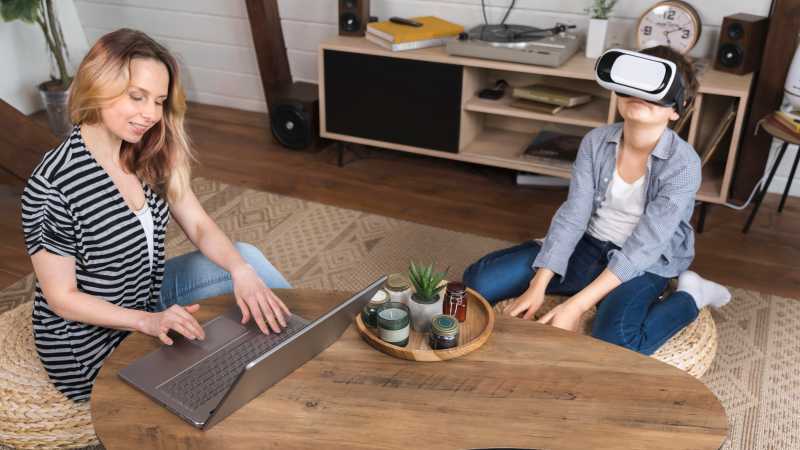
Technology has transformed nearly every aspect of modern life, including how we manage our homes. Today’s smart home systems go beyond controlling lights with a voice command. They help homeowners improve comfort, security, energy efficiency, and even overall well-being.
The concept behind ththometech home technology by thehometrotters focuses on treating a home as one connected ecosystem rather than a collection of separate smart devices. Instead of managing different applications for lighting, security, heating, cooling, and air quality, this approach brings everything together into one centralized system. The result is a home that works smarter, saves time, and creates a more comfortable environment for everyone.
Whether you are building a new smart home or upgrading your current living space, this guide explains how modern home technology can simplify daily routines while improving safety, convenience, and energy efficiency.
What Is Smart Home Technology?
Smart home technology refers to internet-connected devices that allow homeowners to monitor, automate, and control various household systems. These systems communicate with each other to make everyday tasks easier.
Instead of manually adjusting lights, thermostats, or security cameras, homeowners can control them from a smartphone, tablet, or voice assistant.
Smart home technology includes:
- Smart lighting
- Smart thermostats
- Home security systems
- Smart locks
- Video doorbells
- Smart appliances
- Air quality monitors
- Water leak detectors
- Smart irrigation systems
- Voice assistants
When these devices work together, they create a seamless and highly efficient home environment.
The Core Idea Behind an Integrated Smart Home
Rather than installing random smart devices over time, an integrated system connects every important function of the home.
This includes:
- Lighting
- Heating and cooling
- Security
- Water monitoring
- Indoor air quality
- Entertainment systems
- Energy management
A centralized dashboard allows homeowners to manage every connected device without switching between multiple applications.
This approach saves time while making the entire system easier to use.
Benefits of Centralized Home Technology
Easier Daily Management
Managing several smart devices separately can become frustrating. A centralized system simplifies everyday life by placing all controls in one location.
For example, instead of opening different apps for lights, security cameras, and the thermostat, you can adjust everything from a single dashboard.
Improved Energy Efficiency
Smart technology helps reduce unnecessary energy consumption.
Examples include:
- Automatically turning off unused lights
- Adjusting indoor temperatures based on occupancy
- Scheduling appliances to operate during off-peak hours
- Monitoring electricity usage in real time
These features lower utility bills while reducing environmental impact.
Greater Home Security
Modern smart security systems offer far more than traditional alarms.
Popular security features include:
- Smart doorbells
- Motion sensors
- Indoor and outdoor cameras
- Window sensors
- Smart locks
- Remote monitoring
Homeowners receive instant notifications whenever unusual activity occurs.
Wellness Through Smart Technology
One of the most valuable aspects of ththometech home technology by thehometrotters is its focus on wellness in addition to convenience.
A healthy home contributes to better sleep, improved productivity, and greater overall comfort.
Air Quality Monitoring
Indoor air often contains dust, allergens, and pollutants.
Smart air quality sensors measure:
- Carbon dioxide
- Humidity
- Temperature
- Airborne particles
- Volatile organic compounds (VOCs)
When levels become unhealthy, connected ventilation or air purification systems can automatically respond.
Smart Temperature Control
Maintaining consistent indoor temperatures improves comfort throughout every season.
Smart thermostats learn household routines and automatically adjust heating or cooling.
Benefits include:
- Reduced energy waste
- Lower utility costs
- Better comfort
- Remote control from anywhere
Water Monitoring
Water leaks cause expensive property damage every year.
Smart water monitoring systems detect:
- Pipe leaks
- Excessive water use
- Appliance failures
Early detection helps homeowners prevent major repairs.
Smart Lighting Creates Better Living Spaces
Lighting influences mood, productivity, and relaxation.
Smart lighting systems provide complete control over brightness, schedules, and color temperatures.
Morning Automation
Lights gradually brighten in the morning to simulate natural sunrise.
This helps people wake more comfortably.
Evening Relaxation
Warm lighting automatically replaces cooler daylight tones in the evening.
This creates a relaxing atmosphere while supporting healthy sleep habits.
Vacation Security
Lights can automatically turn on and off while homeowners travel.
This makes the house appear occupied and improves security.
Home Security in One Dashboard
Security becomes much simpler when every device works together.
Instead of monitoring several apps, homeowners view everything from one interface.
A centralized dashboard typically includes:
- Live camera feeds
- Door lock status
- Motion alerts
- Window sensors
- Garage door controls
- Visitor notifications
This convenience reduces stress while increasing peace of mind.
Voice-Controlled Living
Voice assistants have become central to many smart homes.
Popular voice commands include:
- Turn on living room lights.
- Lock the front door.
- Adjust the thermostat.
- Play relaxing music.
- Start the robotic vacuum.
Voice automation reduces the need for manual controls and improves accessibility for every family member.
Understanding the Major Types of Technology
Technology continues to evolve rapidly across multiple industries. Understanding these categories helps homeowners appreciate how smart homes fit into the larger technological landscape.
Information Technology
Information technology manages computer systems, networks, software, and digital data.
Examples include:
- Computers
- Servers
- Cloud storage
- Networking equipment
Artificial Intelligence
Artificial intelligence enables devices to learn patterns and make intelligent decisions.
AI powers:
- Smart assistants
- Facial recognition
- Predictive automation
- Personalized recommendations
Communication Technology
Communication technology connects people and devices through digital networks.
Examples include:
- Wi-Fi
- Bluetooth
- Mobile networks
- Video conferencing
Cloud Computing
Cloud computing allows users to access software and storage online without relying entirely on local hardware.
Many smart home platforms store settings and automation schedules securely in the cloud.
Internet of Things (IoT)
The Internet of Things connects physical devices to the internet.
Smart home products such as thermostats, lights, cameras, and appliances are all examples of IoT technology.
Top Emerging Home Technologies
Homeowners continue adopting innovative technologies that improve daily living.
Some of today’s fastest-growing innovations include:
- Artificial Intelligence
- Internet of Things (IoT)
- Cybersecurity
- Smart energy management
- Robotics and automation
- Advanced wireless connectivity
- Voice-controlled assistants
- Cloud-based home management
Each advancement makes homes more intelligent and responsive to homeowners’ needs.
Smart Devices Every Modern Home Should Consider
You do not need to automate your entire house immediately.
Begin with high-impact devices such as:
- Smart thermostat
- Video doorbell
- Smart lighting
- Wi-Fi security cameras
- Smart plugs
- Air quality monitor
- Water leak detector
- Voice assistant
- Smart smoke detector
- Robot vacuum
These devices offer excellent value while laying the foundation for a fully connected home.
Frequently Asked Questions (FAQs)
1. What is ththometech home technology by thehometrotters?
Ththometech home technology by thehometrotters is a home technology concept that focuses on creating a connected living environment where lighting, climate control, security, air quality, and other smart devices work together through a centralized system. The goal is to make homes more convenient, energy-efficient, and comfortable.
2. What are the benefits of using smart home technology?
Smart home technology offers numerous benefits, including:
- Improved home security
- Lower energy consumption
- Greater convenience through automation
- Remote control of household devices
- Better indoor comfort
- Enhanced air quality monitoring
- Time-saving daily routines
3. Can I build a smart home on a budget?
Yes. You do not need to automate your entire house at once. Start with affordable devices such as smart bulbs, smart plugs, a voice assistant, or a smart thermostat. You can gradually expand your system as your budget allows.
4. What devices should beginners install first?
If you are new to home automation, consider starting with:
- Smart lighting
- Smart thermostat
- Video doorbell
- Smart security camera
- Smart plugs
- Voice assistant
- Smart smoke detector
These products are easy to install and provide immediate benefits.
5. Is smart home technology secure?
Most modern smart home devices include strong security features such as encrypted connections, two-factor authentication, and regular software updates. For the best protection, use strong passwords, enable two-factor authentication, and keep all devices updated.
6. How does smart technology improve energy efficiency?
Smart systems automatically optimize energy usage by turning off unused lights, adjusting heating and cooling schedules, monitoring electricity consumption, and managing appliances more efficiently. This helps reduce utility bills while supporting a more sustainable lifestyle.
7. Can I control my smart home while traveling?
Yes. Most smart home platforms include mobile applications that allow you to monitor cameras, lock or unlock doors, adjust lighting, change thermostat settings, and receive security alerts from virtually anywhere with an internet connection.
8. Is smart home technology suitable for older homes?
Absolutely. Many smart home devices are designed for simple installation and work well in both older and newer homes. Wireless technology allows homeowners to upgrade their living spaces without major renovations.
Conclusion
Modern home technology has transformed the way people live, making everyday tasks simpler, safer, and more efficient. Instead of relying on separate devices and multiple applications, homeowners can benefit from an integrated system that connects lighting, security, climate control, air quality monitoring, and energy management into one seamless experience.
The idea behind ththometech home technology by thehometrotters highlights the value of treating a home as a complete ecosystem rather than a collection of individual gadgets. With thoughtful planning and the right smart devices, homeowners can create a living space that is more comfortable, secure, and energy-efficient while simplifying daily routines.
Whether you are just beginning your smart home journey or planning a complete technology upgrade, investing in connected home solutions can improve your quality of life and prepare your home for the future. By choosing reliable devices, keeping your system secure, and expanding your setup over time, you can enjoy the convenience and peace of mind that modern home technology provides.
For more info visit DecoratedHome