
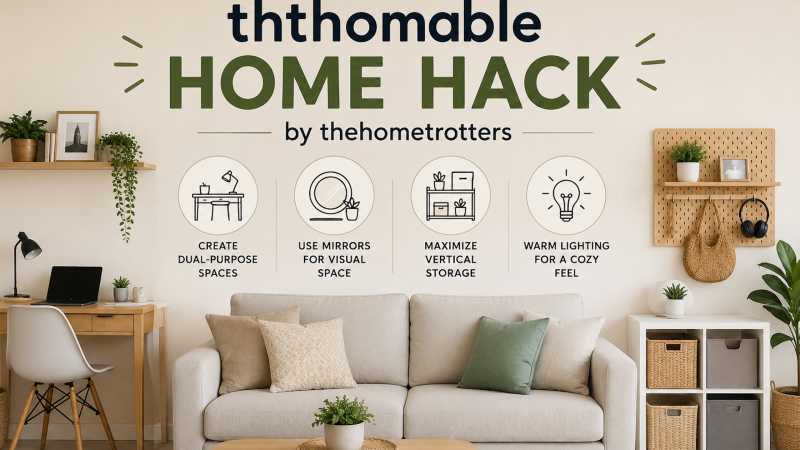
Creating a beautiful and functional home does not always require an expensive renovation. In many cases, thoughtful planning, creative organization, and a few simple DIY upgrades can completely transform a living space. This approach has become increasingly popular among homeowners, renters, and apartment dwellers who want practical solutions without spending a fortune.
The idea behind ththomable home hack by thehometrotters centers on making homes more comfortable, organized, and stylish through budget-friendly improvements. Rather than focusing on major construction projects, this approach encourages homeowners to maximize existing spaces, repurpose furniture, improve lighting, and create smart storage solutions that enhance everyday living.
Whether you live in a small apartment, a family home, or a studio, these home hacks can help you create a space that feels larger, brighter, and more functional.
What Is a Ththomable Home Hack?
A ththomable home hack is a practical home improvement idea designed to make better use of available space while improving comfort and appearance. Instead of replacing everything, the goal is to upgrade what you already have through thoughtful planning and creative design.
These improvements often include:
- DIY decorating projects
- Space-saving furniture arrangements
- Budget-friendly renovations
- Smart storage ideas
- Better lighting techniques
- Multi-purpose furniture
- Simple organization systems
Small improvements often produce impressive results when combined into one cohesive design.
Why Small Home Improvements Matter
Many homeowners believe they need large budgets to improve their homes. However, small upgrades often create the greatest impact because they solve everyday problems while making rooms more enjoyable to use.
Benefits include:
- Better organization
- Increased comfort
- Improved property appearance
- Enhanced productivity
- Lower renovation costs
- Greater home value
Most importantly, these projects are accessible to almost everyone.
Start With a Clear Plan
Every successful home improvement project begins with planning.
Before buying furniture or decorative items, evaluate your home carefully.
Ask yourself:
- Which room feels crowded?
- Which areas lack storage?
- Where do you spend most of your time?
- Which spaces receive natural light?
- What problems need immediate attention?
Answering these questions helps you prioritize improvements that provide the greatest value.
Create Dual-Purpose Spaces
Modern homes must often serve multiple functions.
Instead of dedicating one room to a single purpose, combine activities within the same area.
Home Office Corner
Transform an unused bedroom corner into a productive workspace by adding:
- A compact desk
- Floating shelves
- Comfortable chair
- Task lighting
- Cable organizers
This setup requires very little space while improving productivity.
Reading Nook
A quiet reading corner can fit into almost any room.
Simply combine:
- A comfortable chair
- Small side table
- Floor lamp
- Throw blanket
- Indoor plant
This creates a relaxing retreat without major renovations.
Dining and Workspace
Many homeowners now use dining tables as temporary workstations.
Choose furniture that works well for both purposes.
Maximize Vertical Space
Floor space is limited, but walls offer valuable storage opportunities.
Vertical storage helps reduce clutter while making rooms feel larger.
Install Floating Shelves
Floating shelves provide storage without occupying floor space.
They work well for:
- Books
- Decorative items
- Plants
- Kitchen supplies
- Office materials
Use Pegboards
Pegboards organize frequently used items while keeping them easily accessible.
They are ideal for:
- Home offices
- Garages
- Craft rooms
- Kitchens
Hooks, baskets, and shelves can be rearranged whenever needed.
Hang Wall Cabinets
Wall-mounted cabinets increase storage without reducing walking space.
This strategy works particularly well in bathrooms and laundry rooms.
Improve Lighting for a Better Atmosphere
Lighting significantly influences how a room looks and feels.
Instead of relying on one ceiling fixture, use layered lighting.
Ambient Lighting
Ambient lighting provides overall room illumination.
Examples include:
- Ceiling fixtures
- Recessed lights
- Chandeliers
Task Lighting
Task lighting focuses on specific activities.
Examples include:
- Desk lamps
- Reading lights
- Under-cabinet kitchen lighting
Accent Lighting
Accent lighting highlights decorative features.
Use it for:
- Artwork
- Plants
- Shelves
- Architectural details
Combining these three lighting layers creates a comfortable and balanced environment.
Choose Warm Color Temperatures
Warm lighting creates inviting interiors.
Bulbs around 2200K to 3000K produce a soft glow that works well in:
- Bedrooms
- Living rooms
- Reading areas
- Dining rooms
Cooler bulbs are better suited for kitchens and home offices.
Use Mirrors as Visual Anchors
Mirrors do more than reflect your appearance.
They also:
- Increase natural light
- Make rooms appear larger
- Create depth
- Brighten dark corners
Place mirrors opposite windows whenever possible to maximize daylight.
Large statement mirrors can become attractive focal points while improving the overall perception of space.
Repurpose Existing Furniture
Buying new furniture is not always necessary.
Many existing pieces can serve entirely new purposes.
Examples include:
- Convert an old dresser into a bathroom vanity.
- Turn wooden crates into bookshelves.
- Use a ladder as a blanket rack.
- Transform an old cabinet into a coffee station.
Repurposing furniture saves money while adding character to your home.
Declutter Before Decorating
Decoration should never hide clutter.
Before adding decorative items:
- Remove unnecessary belongings.
- Organize storage.
- Donate unused items.
- Store seasonal decorations.
Decluttering instantly improves both appearance and functionality.
The Importance of Proper Surface Preparation
One principle often overlooked in DIY projects is preparation.
Before painting furniture or walls:
- Clean every surface thoroughly.
- Remove dust and grease.
- Repair cracks or holes.
- Sand rough areas.
- Apply primer when necessary.
Skipping these steps often leads to peeling paint and disappointing results.
Proper preparation may seem time-consuming, but it significantly improves the durability of every project.
Organize Every Room With Purpose
Every item in your home should have a designated place.
Storage baskets, drawer dividers, labeled containers, and stackable bins make organization much easier.
When everything has a home, cleaning becomes faster and maintaining order requires less effort.
Select a Consistent Color Palette
A consistent color scheme makes interiors feel professionally designed.
Choose:
- One primary color
- One secondary color
- One accent color
Neutral backgrounds combined with carefully selected accent colors create timeless interiors that remain stylish for years.
Add Natural Elements
Nature makes every room feel more welcoming.
Consider adding:
- Indoor plants
- Wooden furniture
- Stone decorations
- Woven baskets
- Linen fabrics
These natural materials soften interiors while creating a relaxing atmosphere.
Choose Multi-Functional Furniture
Furniture should work harder in smaller homes.
Excellent examples include:
- Storage ottomans
- Sofa beds
- Lift-top coffee tables
- Expandable dining tables
- Beds with built-in drawers
These pieces reduce clutter while maximizing available living space.
For more info visit Decorated Home