
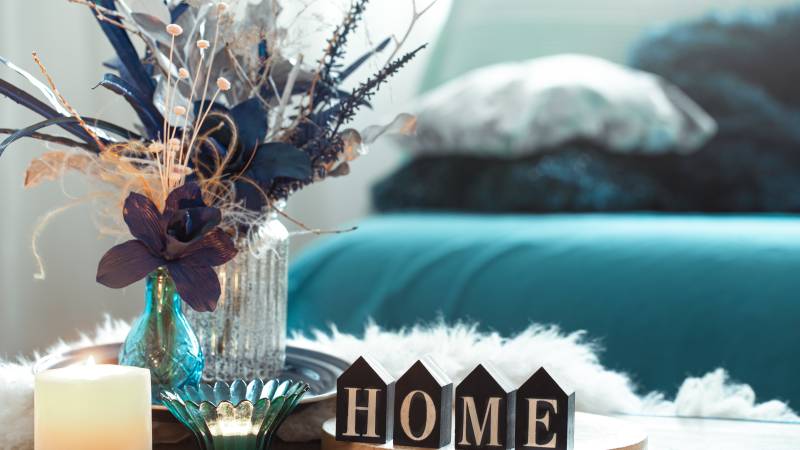
Creating a beautiful home does not always require expensive furniture, professional designers, or major renovations. In many cases, simple changes can completely refresh a room and make it feel more comfortable, organized, and welcoming. By rearranging furniture, improving lighting, adding textiles, updating walls, and introducing carefully selected decorative pieces, homeowners can achieve impressive results on a reasonable budget.
TheHometrotters focuses on practical home decor and interior design ideas that help people improve their spaces without making complicated changes. Its approach emphasizes affordable updates, weekend DIY projects, functional styling, and creative ways to give existing rooms a fresh appearance.
The best thehometrotters .com home decor ideas focus on achieving a balance between beauty and everyday functionality. A room should look attractive, but it should also support the activities that happen there. Therefore, good decorating starts with understanding how you use your space and then choosing improvements that make it more comfortable and practical.
This complete guide explores affordable decorating strategies, weekend refreshes, wall enhancements, textile layering, furniture arrangements, lighting, color schemes, DIY projects, and organization ideas.
Why Affordable Home Decor Matters
Home decorating can quickly become expensive when you replace furniture, flooring, lighting, and accessories at the same time. However, you can achieve a significant transformation without changing everything.
Affordable decorating allows you to:
- Refresh outdated rooms
- Improve comfort
- Express your personality
- Make better use of existing furniture
- Increase visual appeal
- Reduce unnecessary spending
- Complete projects gradually
Instead of approaching decorating as one large project, divide it into smaller improvements. Consequently, you can update your home over time while maintaining control of your budget.
Start With a Weekend Home Refresh
A weekend refresh offers one of the easiest ways to change the appearance of a room.
You do not necessarily need to purchase anything. First, remove unnecessary objects and evaluate the current arrangement. Then experiment with different furniture positions.
For example, move the sofa away from the wall and create a more conversational arrangement. Shift an accent chair toward a window or reading corner. Rearrange tables, lamps, and decorative accessories to create a more balanced composition.
Rearrange Before You Replace
Many homeowners immediately assume that old furniture needs replacement. However, furniture can look completely different after you change its position.
Try these ideas:
- Rotate the living room seating arrangement.
- Move a console table to another wall.
- Relocate an armchair near a window.
- Change the position of a coffee table.
- Move artwork between rooms.
- Exchange cushions between different spaces.
This approach costs little or nothing while creating a noticeable visual change.
Declutter Before Decorating
Decorating works best when you start with a clean foundation.
Remove items that no longer serve a purpose. Sort belongings into categories such as keep, donate, recycle, and discard.
Afterward, evaluate the room again.
You may discover that you do not need additional furniture or storage. Instead, you may simply need to organize the items you already own.
A clutter-free room also makes decorative features more noticeable. Therefore, decluttering should become the first step in most decorating projects.
Create a Strong Focal Point
Every room benefits from a visual anchor. A focal point gives the eye somewhere to rest and helps organize the surrounding decoration.
Common focal points include:
- Large mirrors
- Artwork
- Fireplaces
- Accent walls
- Statement lighting
- Architectural features
- Decorative furniture
Choose one main feature instead of competing with several large decorative elements.
For example, place a large mirror above a console table and keep the surrounding accessories simple. This creates a clear focal point without overwhelming the room.
Enhance Walls With Mirrors
Mirrors offer both decorative and practical benefits.
A strategically positioned mirror can reflect natural light and make a smaller room feel more spacious. Additionally, a large decorative mirror can become an attractive statement feature.
Place mirrors where they can reflect:
- Windows
- Natural light
- Attractive artwork
- Plants
- Interesting architectural features
Avoid positioning a mirror where it reflects clutter or an unattractive area.
Choose the Right Mirror Style
The frame should complement your existing interior.
Consider:
- Wooden frames for natural interiors
- Metal frames for contemporary rooms
- Decorative frames for traditional spaces
- Minimal frames for modern interiors
- Round mirrors for softer visual movement
The right shape and frame can enhance the overall personality of a room.
Build a Gallery Wall
A gallery wall provides an affordable way to personalize an interior.
You can combine:
- Family photographs
- Prints
- Artwork
- Illustrations
- Small mirrors
- Decorative objects
Before putting holes in the wall, arrange everything on the floor. Experiment with spacing and positions until you find a layout you like.
Then measure carefully and transfer the arrangement to the wall.
Keep the Gallery Wall Balanced
You do not need identical frames. In fact, mixing frame sizes can create more visual interest.
However, maintain one connecting element. You could use a consistent color, theme, material, or spacing pattern.
This creates variety without making the arrangement look random.
Layer Textiles for Warmth
Textiles can instantly make a room feel more comfortable.
Instead of using one fabric throughout the room, combine different textures.
For example, layer:
- A woven rug
- Cotton cushions
- Linen curtains
- A knitted throw
- Soft upholstery
The combination creates depth and visual warmth.
Use Rugs to Define Areas
Rugs help organize open-plan spaces by visually separating different functional zones.
A large rug can define a living room within a larger open area. Similarly, a smaller rug can create a comfortable reading corner.
Make sure the rug fits the furniture arrangement. A rug that is too small may make the room feel disconnected.
Mix Materials Carefully
Material layering can give interiors a more sophisticated appearance.
Combine materials such as:
- Wood
- Glass
- Metal
- Wicker
- Stone
- Ceramic
- Cotton
- Linen
For example, place a wooden coffee table beside a fabric sofa and add a ceramic lamp. The different surfaces create contrast while maintaining a cohesive appearance.
However, avoid adding too many unrelated finishes. Choose materials that complement your existing style.
Improve Your Color Scheme
Color strongly influences the atmosphere of a room.
You do not need to repaint every wall to introduce a new color palette. Instead, add color through accessories.
Consider:
- Cushions
- Curtains
- Artwork
- Rugs
- Throws
- Decorative objects
- Plants
Follow the 60-30-10 Approach
A simple decorating framework uses three levels of color.
- 60%: dominant color
- 30%: secondary color
- 10%: accent color
For example, a room might use neutral walls as the dominant color, natural furniture as the secondary element, and blue cushions as an accent.
This structure creates visual balance without requiring complicated design rules.
Choose Comfortable and Functional Furniture
Beautiful furniture should also serve a practical purpose.
Before buying a new piece, consider:
- How often will you use it?
- Does it provide enough storage?
- Does it fit the room?
- Can people move around it comfortably?
- Does it complement existing furniture?
For smaller homes, multipurpose furniture can provide exceptional value.
Useful choices include:
- Storage ottomans
- Sofa beds
- Nesting tables
- Storage benches
- Extendable dining tables
- Beds with drawers
These pieces improve functionality without occupying unnecessary space.
Create Functional Zones
A well-designed room should support different activities.
For example, a large living room could include:
- A conversation area
- A reading corner
- An entertainment zone
- A small workspace
Use furniture, rugs, lighting, and decorative elements to define each zone.
This approach works especially well in open-plan homes because it creates structure without adding physical walls.
Refresh Lighting
Lighting can completely change the atmosphere of a room.
Instead of relying on one ceiling light, combine several sources.
Use:
- Ceiling lights for general illumination
- Table lamps for focused activities
- Floor lamps for corners
- Wall lights for accent areas
- Decorative lights for atmosphere
Layered lighting allows you to change the mood depending on the time of day.
Choose Warm Lighting for Relaxation
Warm light generally creates a cozy atmosphere in living rooms, bedrooms, and dining areas.
Use brighter task lighting where you need concentration, such as a home office or kitchen work surface.
Therefore, choose lighting according to the purpose of each area.
Add Indoor Plants
Plants bring color, texture, and natural character into interiors.
You can use:
- Large floor plants
- Small tabletop plants
- Hanging plants
- Herb pots
- Decorative planters
Place plants where they receive appropriate light for their specific needs.
If you have limited time for maintenance, choose varieties that match your available care routine rather than selecting plants solely for appearance.
Try Simple Weekend DIY Projects
DIY projects can provide major visual improvements without requiring professional skills.
Some practical ideas include:
Repaint a Small Piece of Furniture
Instead of replacing an old side table, clean it thoroughly, repair imperfections, sand appropriate surfaces, and apply a suitable primer and paint.
Always follow the product instructions and allow sufficient drying time.
Create a Decorative Accent Wall
You can introduce an accent color to one wall instead of repainting the entire room.
This approach reduces material costs and creates a strong visual feature.
Upgrade Cabinet Hardware
Replacing outdated handles and knobs can quickly modernize kitchen cabinets, bathroom storage, or furniture.
Choose hardware that matches the room’s overall style.
Shop Your Home First
One of the most effective budget decorating strategies involves using items you already own.
Move accessories between rooms and experiment with different combinations.
For example:
- Use a bedroom lamp in the living room.
- Move artwork to a hallway.
- Place a decorative basket beside a sofa.
- Use dining chairs temporarily in another room.
- Rearrange books and decorative objects on shelves.
This process encourages creativity and prevents unnecessary purchases.
Decorate Shelves With Balance
Shelves should combine storage and decoration.
Avoid filling every available space. Instead, create groups of objects with different heights.
Combine:
- Books
- Plants
- Frames
- Vases
- Small sculptures
- Baskets
Leave some empty space between groups.
This breathing room makes shelves look intentional rather than overcrowded.
Use Decorative Baskets
Baskets provide both style and organization.
Place them in:
- Living rooms
- Bedrooms
- Bathrooms
- Entryways
- Home offices
Use baskets to store blankets, magazines, toys, towels, or other frequently used items.
Natural woven baskets work particularly well with neutral, coastal, rustic, and contemporary interiors.
Make Small Rooms Feel Larger
Small rooms require careful decorating.
Avoid oversized furniture that blocks pathways. Instead, choose appropriately scaled pieces.
Use these strategies:
- Keep pathways clear.
- Choose furniture with visible legs.
- Use mirrors.
- Maximize vertical storage.
- Select lighter visual elements.
- Avoid excessive accessories.
Additionally, maintain consistent colors between connected spaces. This creates visual continuity and can make the home feel more spacious.
Create a Welcoming Entryway
The entryway establishes the first impression of your home.
Keep it functional and attractive by adding:
- A small console
- Mirror
- Key tray
- Storage basket
- Bench
- Wall hooks
- Small plant
Do not overcrowd the entrance. Keep frequently used items accessible while maintaining a clean appearance.
Make the Bedroom More Relaxing
Bedrooms should prioritize comfort and calm.
Use soft textiles, warm lighting, and limited decorative clutter.
Consider adding:
- Layered bedding
- Soft curtains
- Bedside lamps
- A small rug
- Comfortable cushions
- Simple artwork
Keep electronic distractions under control when possible so the room maintains a restful atmosphere.
Create a Practical Home Office
A home office should support concentration while remaining comfortable.
Start with a suitable desk and ergonomic chair. Then add task lighting, organized cable management, and storage.
Use shelves or wall organizers to keep important materials within reach without filling the desk surface.
Add one or two decorative elements, such as a plant or artwork, to make the workspace more inviting.
Keep the Kitchen Stylish and Practical
Kitchen decoration should never interfere with functionality.
Keep countertops relatively clear and display only useful or attractive items.
You can add character through:
- Ceramic containers
- Wooden cutting boards
- Indoor herbs
- Decorative lighting
- Open shelving
- Textiles
Group similar objects together to create a cohesive appearance.
Make the Bathroom Feel More Inviting
Small changes can give a bathroom a refreshed appearance.
Try:
- New towels
- A decorative mirror
- Storage baskets
- Simple plants
- Updated hardware
- Better lighting
- Coordinated accessories
Keep surfaces organized because clutter can make even a large bathroom feel cramped.
Use thehometrotters .com home decor ideas for Budget-Friendly Inspiration
The strongest thehometrotters .com home decor ideas emphasize achievable improvements rather than expensive transformations. You can apply this philosophy by starting with what you already have and identifying the changes that will make the greatest difference.
For example, rearranging furniture costs nothing. Adding a mirror may cost relatively little while improving light and visual space. Replacing cabinet handles can modernize an entire kitchen without replacing the cabinets.
Therefore, focus your budget on high-impact details instead of trying to upgrade everything simultaneously.
Common Home Decorating Mistakes to Avoid
Even simple decorating projects can go wrong when homeowners overlook basic principles.
Buying Before Measuring
Always measure furniture and available floor space before purchasing anything.
Choosing Style Over Comfort
A beautiful chair that nobody wants to sit in does not provide good value.
Using Too Many Decorative Items
Accessories should enhance a room rather than overwhelm it.
Ignoring Lighting
A well-decorated room can still look disappointing under poor lighting.
Mixing Too Many Styles
Combining styles can work, but maintain some common elements to create visual harmony.
Create a Simple Decorating Plan
Follow these steps for your next home update:
Step 1: Evaluate the Room
Identify what works and what does not.
Step 2: Declutter
Remove unnecessary belongings.
Step 3: Rearrange
Experiment with existing furniture.
Step 4: Choose a Color Direction
Select a simple palette.
Step 5: Improve Lighting
Add or reposition light sources.
Step 6: Layer Textiles
Introduce rugs, cushions, curtains, and throws.
Step 7: Add Wall Features
Use mirrors, artwork, or a gallery wall.
Step 8: Finish With Accessories
Add plants and carefully selected decorative objects.
This method keeps the project organized and prevents unnecessary spending.
Frequently Asked Questions
What are thehometrotters .com home decor ideas?
Thehometrotters .com home decor ideas refer to practical decorating approaches centered on affordable updates, weekend projects, functional styling, wall enhancements, textile layering, and creative ways to refresh existing living spaces.
How can I decorate my home on a small budget?
Start by rearranging your existing furniture and decorations. Then focus on inexpensive high-impact changes such as cushions, artwork, mirrors, plants, lighting, and cabinet hardware.
What is the easiest way to refresh a room?
Decluttering and rearranging furniture provide the easiest starting point. Afterward, add one or two focal elements, improve lighting, and introduce new textiles.
How can I make a small room look bigger?
Keep pathways clear, use appropriately sized furniture, maximize vertical storage, introduce mirrors, and maintain a consistent color palette.
Are DIY projects good for home improvement?
Yes. Simple DIY projects can provide affordable visual upgrades. However, always follow appropriate safety procedures and use qualified professionals for electrical, structural, plumbing, or other specialized work when necessary.
Conclusion
Beautiful home decor does not depend on a large budget. Instead, successful decorating comes from thoughtful planning, smart organization, balanced styling, and an understanding of how each room functions.
TheHometrotters’ approach highlights the value of affordable updates, weekend DIY projects, wall enhancements, textile layering, and functional design. These principles allow homeowners to refresh their surroundings without immediately committing to expensive renovations.
Start by shopping your home and rearranging what you already own. Next, remove clutter, improve your furniture layout, and identify one strong focal point. Then introduce layers through lighting, rugs, cushions, artwork, mirrors, and natural materials.
Most importantly, design your home around the way you actually live. A successful interior should look attractive while also making everyday activities easier. By combining comfort, functionality, and personal style, you can create a home that feels welcoming, practical, and uniquely yours.
With patience and creativity, even small changes can produce a significant transformation. Whether you update one corner during a weekend or gradually refresh your entire home, thoughtful decorating can help you build a space that you enjoy every day.
For more info visit DecoratedHome