
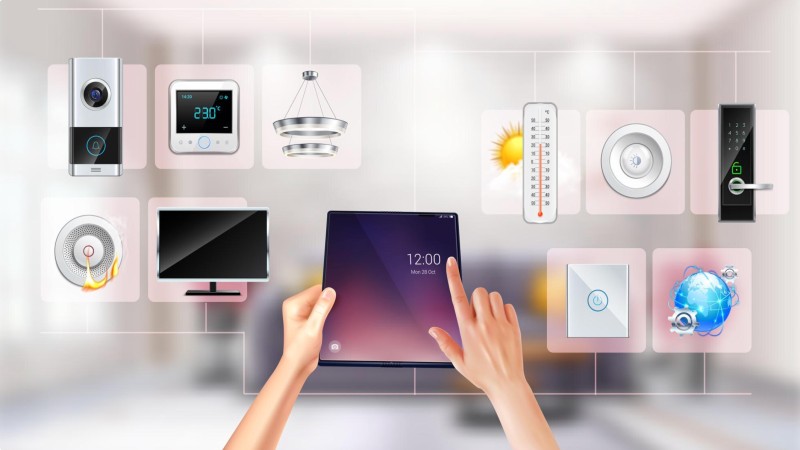
Modern technology has transformed the way people use their homes. Smart lighting, automated curtains, connected thermostats, security sensors, and voice-controlled devices can make everyday life easier. However, technology can sometimes create a design problem. Large screens, visible cables, bulky cameras, and plastic devices may distract from carefully planned interiors.
The concept of decoradtech smart home ideas by decoratoradvice solves this challenge by combining smart technology with thoughtful interior design. Instead of allowing technology to dominate a room, this approach integrates devices into the existing decor. As a result, homeowners can enjoy automation, comfort, security, and energy efficiency while maintaining an attractive interior.
A successful smart home does not need to look futuristic. In fact, the best technology often works quietly in the background. With hidden wiring, discreet sensors, integrated lighting, motorized window treatments, and carefully selected smart devices, you can create a home that feels both sophisticated and comfortable.
This complete guide explains how to combine smart technology with modern decorating principles while keeping your home practical, stylish, and easy to manage.
What Is DecoradTech Smart Home Design?
DecoradTech combines decorative planning with smart home technology. Instead of treating technology and interior design as separate elements, homeowners plan them together from the beginning.
Traditional smart home installations may place devices wherever they are easiest to install. However, design-focused automation considers:
- Wall colors
- Furniture placement
- Architectural features
- Lighting design
- Storage solutions
- Cable management
- Room proportions
- Overall decorating style
This approach creates a cleaner and more cohesive environment.
For example, you could hide a smart home hub inside a cabinet, install LED lighting beneath shelves, or position a smart thermostat within a gallery wall. These simple choices allow technology to perform its job without becoming the visual focus of the room.
Why Hidden Technology Works So Well
Technology becomes visually distracting when devices appear randomly throughout a room. Fortunately, you can conceal or integrate many modern products.
Hidden technology works especially well in minimalist, traditional, contemporary, and luxury interiors.
Hide Smart Hubs
Smart hubs can control multiple connected devices. Instead of leaving a hub on a prominent table, consider placing it inside suitable cabinetry where ventilation and wireless connectivity remain adequate.
Always follow the manufacturer’s installation requirements. Some devices need open space for proper wireless performance or cooling.
Manage Cables Carefully
Visible cables can quickly make an otherwise beautiful room look unfinished.
Use:
- Cable channels
- In-wall solutions where appropriate
- Cable sleeves
- Concealed power strips
- Built-in cabinetry
- Furniture with cable-management openings
For electrical work inside walls, use a qualified professional and follow local electrical requirements.
Integrate Screens Into Furniture
Televisions and displays often become the largest visual feature in living rooms. You can reduce their impact by integrating them into cabinetry or selecting a design that complements the wall.
For example, a television can sit within a custom media wall surrounded by shelves and decorative objects. This arrangement makes the screen feel like part of the overall composition.
Smart Lighting as a Design Feature
Lighting represents one of the easiest ways to combine technology and interior design.
Smart lighting allows you to control brightness, schedules, scenes, and sometimes color temperature. However, you should plan lighting around the room’s purpose rather than simply installing as many smart bulbs as possible.
Use Hidden LED Strips
LED strips can create subtle illumination beneath:
- Kitchen cabinets
- Floating shelves
- Bed frames
- Staircases
- Media units
- Bathroom cabinets
Hidden strips provide indirect light that highlights architectural details without exposing the technology itself.
Choose Warm Dimming
Warm-dimming smart bulbs can create a comfortable atmosphere in living rooms and bedrooms.
During the day, you might use brighter, cooler illumination for activities. In the evening, reduce brightness and shift toward warmer tones to create a relaxing environment.
This approach improves both functionality and atmosphere.
Create Smart Lighting Scenes
Smart lighting becomes more useful when you create scenes for specific activities.
For example:
Morning Scene: Brighter lighting throughout important areas.
Work Scene: Focused lighting around a desk.
Dinner Scene: Softer lighting around the dining area.
Relaxation Scene: Warm, low-level lighting throughout the living room.
Night Scene: Minimal pathway lighting for safe movement.
Scenes reduce repetitive adjustments while helping each room support different activities.
Use Stylish Smart Switches
Smart switches do not have to look industrial.
Choose switch plates that complement your wall color, hardware, and decorating style. Some designer-oriented products offer sleek finishes that integrate more naturally with modern interiors.
The goal is simple: make controls feel like part of the room rather than an afterthought.
Automated Window Treatments
Windows have a major influence on natural lighting, privacy, temperature, and energy use.
Motorized blinds and curtains allow homeowners to automate these functions.
For example, curtains can open gradually in the morning and close in the evening. You can also schedule window treatments according to the time of day.
Improve Privacy
Automated blinds can close automatically at night, reducing the need to adjust them manually.
You can also create schedules that close selected blinds when the household usually expects more privacy.
Manage Sunlight
Strong sunlight can increase indoor temperatures and cause fading on furniture and flooring.
Automated window treatments can respond to schedules or, when supported, environmental conditions. This can help manage glare and heat while preserving natural light when appropriate.
Blend Smart Thermostats Into the Interior
A smart thermostat can provide excellent comfort and energy-management features, but its screen may stand out against carefully designed walls.
You can make the thermostat feel more integrated by considering its location during the design process.
For example, place it within a visually organized wall rather than randomly beside a doorway.
Some homeowners also use frames, surrounding artwork, or complementary wall colors to reduce visual contrast. However, never block the thermostat’s sensors or install decorative elements that interfere with manufacturer requirements.
Climate Harmony in Every Room
A comfortable home needs more than an attractive appearance.
Smart climate technology can help monitor and manage:
- Temperature
- Humidity
- Heating
- Cooling
- Air quality
Room sensors can provide more accurate information in larger homes where temperatures vary between spaces.
For instance, an upstairs bedroom may become warmer than a downstairs living room. Additional sensors can help the system understand these differences when the selected equipment supports multi-zone management.
Discreet Smart Security
Security technology has improved significantly in recent years.
Modern cameras and sensors can offer useful protection without looking like commercial security equipment.
Choose Compact Cameras
When appropriate, select cameras with simple designs that complement the room.
Place them where they provide useful coverage while respecting household privacy and applicable laws.
Use Flush Sensors
Door and window sensors can often sit discreetly against frames.
Their small size allows them to blend into trim and surrounding surfaces.
Consider Smart Locks
Smart locks can reduce the need for traditional keys while providing convenient access-management features.
Depending on the model, users may be able to manage access codes, check lock status, or receive notifications.
Always maintain appropriate physical security and keep backup access methods available when necessary.
Integrate Technology Into Custom Cabinetry
Custom cabinetry offers one of the best opportunities for hidden technology.
Cabinets can conceal:
- Routers
- Smart hubs
- Media equipment
- Charging stations
- Speakers
- Gaming equipment
- Cables
However, do not completely enclose devices that require airflow. Heat buildup can reduce equipment performance and lifespan.
Instead, design ventilation into the cabinet where necessary.
Smart Speakers That Complement Decor
Audio technology can also become part of the interior design.
Rather than placing large speakers in obvious locations, consider compact models or built-in solutions that match the room.
In suitable installations, speakers can integrate into:
- Ceiling designs
- Bookshelves
- Media walls
- Custom cabinetry
Good placement provides better sound while reducing visual clutter.
Create a Smart and Stylish Kitchen
The kitchen benefits greatly from smart technology.
Consider integrating:
- Under-cabinet smart lighting
- Smart appliances
- Water leak sensors
- Voice assistants
- Smart plugs
- Energy monitors
Under-cabinet lighting provides practical task illumination while also creating a warm decorative effect.
Meanwhile, water sensors near sinks and appliances can provide valuable early warnings when supported by a compatible system.
Make the Bedroom More Comfortable
The bedroom should feel calm rather than technologically overwhelming.
Use smart technology selectively.
Consider:
- Warm smart bulbs
- Automated curtains
- Quiet climate control
- Bedside charging solutions
- Hidden speakers
- Smart night lighting
For example, create a bedtime scene that gradually dims the lights and adjusts other compatible devices.
Avoid placing unnecessary screens throughout the bedroom. Instead, prioritize technology that supports comfort and convenience.
Smart Technology for the Living Room
The living room often contains the largest concentration of entertainment technology.
Create a clean arrangement by integrating the television, speakers, lighting, and cables into one design.
A media wall can combine:
- Television
- Shelving
- Decorative objects
- Hidden cables
- Storage cabinets
- Accent lighting
This approach creates a unified focal point rather than allowing each device to compete for attention.
Use Smart Technology to Improve Energy Efficiency
Smart technology can help homeowners understand and manage energy use.
Useful systems include:
- Smart thermostats
- Smart plugs
- Energy monitors
- Automated lighting
- Motorized blinds
- Smart appliances
For example, scheduled lighting can prevent lights from remaining on unnecessarily. Similarly, a smart thermostat can adjust temperatures according to household routines.
However, technology alone does not guarantee energy savings. Homeowners should also maintain equipment properly, improve insulation where necessary, and use efficient appliances.
Plan Technology Before Renovating
If you are renovating your home, plan technology before construction begins.
Determine where you want:
- Power outlets
- Network connections
- Speakers
- Lighting
- Sensors
- Cameras
- Television screens
- Charging points
Early planning makes it easier to hide cables and create clean installations.
It also reduces the need to modify finished walls later.
Create a Smart Home That Feels Natural
The best smart homes do not necessarily look technological.
Instead, they feel comfortable, organized, and intuitive.
The philosophy behind decoradtech smart home ideas by decoratoradvice focuses on this balance. Technology should support the home’s design rather than compete with it.
Before installing any device, ask:
- Does this technology solve a real problem?
- Can I integrate it with my existing decor?
- Does it work with my preferred smart home ecosystem?
- Can I conceal cables effectively?
- Will the device remain useful over time?
These questions help prevent unnecessary purchases.
Avoid Over-Automation
Adding technology to every possible feature can make a home harder to manage.
Instead, automate repetitive tasks that genuinely improve daily life.
Good automation examples include:
- Turning lights off when everyone leaves
- Closing curtains at night
- Adjusting temperature according to schedules
- Sending water leak alerts
- Activating pathway lighting after dark
Avoid creating complicated routines that nobody understands or uses.
Protect Your Smart Home
Connected technology requires strong security practices.
Use unique passwords for important accounts and enable two-factor authentication whenever available.
Additionally:
- Keep devices updated.
- Secure your Wi-Fi network.
- Remove unused devices.
- Review account permissions.
- Check privacy settings.
- Use trusted manufacturers.
- Replace unsupported devices when appropriate.
Security should remain part of the design process rather than an afterthought.
Think About Privacy
Smart cameras, microphones, sensors, and connected appliances may collect information about your household.
Before buying a device, understand its privacy features and data practices.
Ask what information the product collects, how the manufacturer stores it, and what controls you have over that information.
Place cameras thoughtfully and respect the privacy of family members, guests, and neighbors.
Budget-Friendly DecoradTech Improvements
You do not need to renovate your entire home to introduce smart design.
Start with affordable improvements such as:
- Smart bulbs
- Smart plugs
- Cable-management products
- Motion-activated lights
- Simple sensors
- Automated lighting schedules
Then gradually expand your system.
For larger projects, plan integrated wiring, cabinetry, motorized window treatments, and built-in technology during renovations.
Common Mistakes to Avoid
Choosing Technology Before Planning the Room
Always consider furniture placement and room function first.
Leaving Cables Everywhere
Use proper cable-management solutions to maintain a clean appearance.
Installing Too Many Gadgets
Only purchase devices that provide genuine value.
Ignoring Compatibility
Check whether products work with your chosen ecosystem before buying.
Blocking Sensors
Do not place furniture or decorative objects where they interfere with sensors, cameras, thermostats, or other devices.
Forgetting Maintenance
Smart devices require software updates, battery replacements, cleaning, and occasional troubleshooting.
A Step-by-Step DecoradTech Plan
Follow this simple process when creating a technology-focused interior.
Step 1: Assess the Room
Identify its purpose, furniture arrangement, lighting conditions, and technology needs.
Step 2: Choose Priorities
Select the features that will provide the greatest benefit.
Step 3: Plan Locations
Decide where devices, controls, outlets, and sensors should go.
Step 4: Hide Where Practical
Use cabinetry, furniture, cable-management systems, or professional in-wall solutions where appropriate.
Step 5: Match Finishes
Choose switches, frames, hardware, and devices that complement the interior.
Step 6: Build Simple Automations
Start with a few useful routines.
Step 7: Secure Everything
Use strong authentication, updates, and appropriate network security.
Step 8: Review the Design
After installation, look at the room as a whole. Remove unnecessary visual distractions and adjust device placement where appropriate.
Frequently Asked Questions
What are decoradtech smart home ideas by decoratoradvice?
Decoradtech smart home ideas by decoratoradvice describe an approach that combines smart technology with interior design. The goal involves integrating automation, lighting, climate control, security, and other technologies into a home’s existing style without allowing devices and cables to dominate the space.
How can I hide smart home technology?
You can integrate technology into suitable cabinetry, furniture, wall designs, shelving, or dedicated media areas. Use proper ventilation and follow manufacturer installation requirements for every device.
What smart technology should I install first?
Start with technology that solves an everyday problem. Smart lighting, thermostats, security sensors, water leak detectors, and automated curtains can provide practical benefits without requiring a complete smart home installation.
Can smart home technology improve interior design?
Yes. Properly integrated technology can reduce clutter, improve lighting, simplify controls, and create cleaner spaces. The key involves planning technology alongside the interior rather than adding it randomly afterward.
Are automated curtains worth considering?
Automated window treatments can improve convenience, privacy, and sunlight management. They can also become part of an energy-management strategy when integrated with other suitable systems.
How do I make smart security devices look attractive?
Choose compact devices with finishes that complement your interior and position them thoughtfully. Avoid hiding cameras or sensors in ways that compromise their intended function or violate privacy expectations.
Conclusion
Smart home technology no longer needs to look like a collection of gadgets scattered around a house. With thoughtful planning, homeowners can integrate automation into their interiors while preserving comfort, personality, and visual appeal.
The core philosophy of decoradtech smart home ideas by decoratoradvice focuses on making technology work quietly in the background. Hidden cables, integrated lighting, automated window treatments, discreet security equipment, and carefully positioned climate controls can create a home that feels sophisticated without appearing overly technological.
Start small and focus on practical improvements. Upgrade lighting, organize cables, add useful sensors, and consider automated curtains or climate controls. If you are planning a renovation, think about technology before construction begins so you can create cleaner and more professional installations.
Ultimately, the best smart home is not the one with the most devices. It is the one where technology improves everyday life while supporting the home’s design. By combining functionality, security, energy efficiency, and thoughtful decoration, you can create a modern living space that remains comfortable, attractive, and easy to enjoy for years to come.
For more info visit Decorated Home