
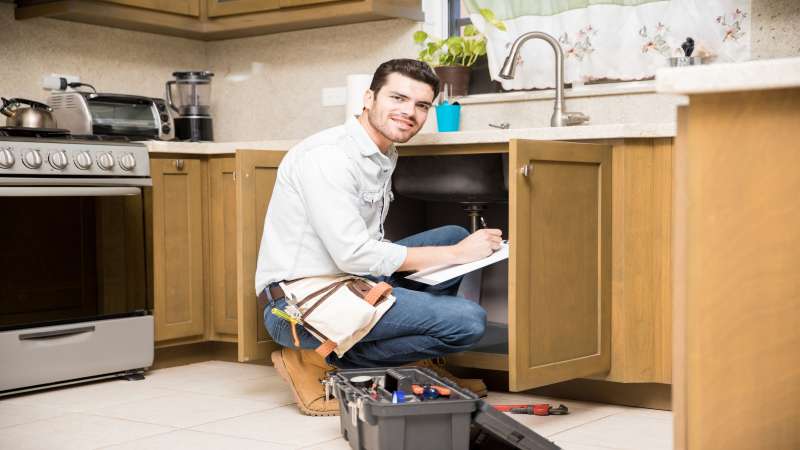
Every home needs regular care to remain safe, comfortable, attractive, and functional. From fixing a leaking tap to repairing a damaged wall, homeowners face different maintenance tasks throughout the year. Although some repairs require professional assistance, many small problems can be handled with basic tools, careful planning, and the right guidance.
Thehometrotters homerepairs focuses on practical home maintenance advice, affordable DIY projects, exterior improvements, interior styling, and renovation guidance. These ideas can help homeowners understand common household problems, prevent expensive damage, and improve their living spaces without unnecessary spending.
Moreover, regular maintenance helps protect a property’s value. When homeowners inspect their houses, identify early warning signs, and address minor issues promptly, they can avoid many unexpected repair costs. Therefore, learning simple home repair techniques is a valuable step toward responsible homeownership.
This complete guide explains essential home maintenance practices, common DIY repairs, curb appeal improvements, interior upgrades, renovation planning, and important safety precautions.
1. Understanding the Importance of Home Repairs
Home repairs involve maintaining, fixing, or improving the different parts of a property. These tasks include plumbing repairs, electrical maintenance, roof inspections, painting, door adjustments, and general improvements.
First, regular repairs help prevent minor issues from becoming serious problems. For example, a small leak beneath a sink may appear harmless. However, if you ignore it, moisture can damage cabinets, flooring, and nearby walls.
Second, maintenance improves comfort and convenience. Properly functioning doors, windows, lights, and plumbing systems make everyday activities easier. In addition, clean and well-maintained spaces create a more welcoming environment for family members and guests.
Home repairs also support long-term financial planning. Although maintenance requires time and money, preventive care often costs less than repairing extensive damage.
Finally, homeowners who understand basic repairs can make better decisions when hiring contractors. They can describe problems accurately, compare estimates, and recognize when a professional needs to handle a task.
2. Create a Regular Home Maintenance Checklist
A maintenance checklist helps homeowners organize tasks and remember important inspections. Instead of waiting for something to break, establish a schedule that covers the entire property.
Inspect the Roof and Gutters
The roof protects your home from rain, wind, sunlight, and other weather conditions. Therefore, inspect it periodically for missing shingles, damaged flashing, loose materials, and signs of water intrusion.
Check gutters and downspouts for leaves, dirt, and blockages. When gutters cannot drain properly, water may overflow near the foundation or damage exterior walls.
Use safe access methods and avoid climbing onto a roof without suitable equipment and experience. Hire a qualified professional for roof inspections or repairs that involve working at height.
Check Windows and Doors
Windows and doors contribute to security, insulation, and indoor comfort. Examine their frames, locks, hinges, seals, and weatherstripping.
If you notice drafts, replace worn weatherstripping or repair damaged seals where appropriate. Additionally, tighten loose handles and lubricate suitable hinges with the manufacturer’s recommended product.
Check window frames for peeling paint, soft wood, and moisture damage. Address these problems early to prevent further deterioration.
Examine Plumbing Fixtures
Inspect faucets, toilets, visible pipes, and connections beneath sinks for leaks. Even a slow drip can waste water and create moisture problems over time.
Look for water stains beneath plumbing fixtures and around appliances that use water. If you discover a leak, shut off the relevant water supply when safe and arrange a suitable repair.
However, avoid dismantling unfamiliar plumbing systems if you lack the necessary skills. Persistent leaks, damaged supply lines, and hidden pipe problems may require a licensed plumber.
Test Lighting and Safety Devices
Check indoor and outdoor lights to ensure they work properly. Replace suitable bulbs and inspect visible fixtures for damage.
Test smoke alarms and carbon monoxide alarms according to their manufacturers’ instructions and local safety requirements. Replace batteries or entire units when necessary.
Electrical faults require particular care. Never work on live wiring, and contact a qualified electrician for damaged cables, recurring breaker trips, burning smells, or other warning signs.
3. Essential Tools for Everyday DIY Repairs
The right tools make simple repairs easier and more accurate. Nevertheless, beginners do not need to purchase an expensive professional collection immediately.
Start with a basic toolkit containing:
- Screwdrivers in several common sizes
- A hammer and measuring tape
- Adjustable pliers and a suitable wrench
- A spirit level
- A utility knife with a retractable blade
- A flashlight and spare batteries
- Safety glasses and work gloves
- A small selection of appropriate screws, wall plugs, and fasteners
- A caulking gun for suitable sealing projects
- A drill and compatible bits, if you know how to use them safely
Furthermore, keep your tools organized in a toolbox or storage container. Label small hardware items and store sharp tools securely.
Before starting a project, read the instructions for each tool and material. Choose equipment that suits the task rather than forcing an unsuitable tool to work.
For instance, use a wall anchor appropriate for the wall material when hanging a shelf. A screw alone may not provide enough support in plasterboard or another hollow wall.
4. Fix Common Household Problems
Many minor household problems have straightforward solutions. However, homeowners should assess the cause before attempting a repair.
Repair Small Wall Cracks
Small surface cracks can develop as building materials naturally move or dry. To repair a minor, stable crack, clean away loose material and apply a suitable filler according to the product instructions.
Allow the filler to dry completely. Then sand it gently, remove dust, and apply primer and matching paint where necessary.
Nevertheless, do not treat every crack as a cosmetic issue. Wide, growing, diagonal, or recurring cracks may indicate structural movement. Similarly, cracks accompanied by sticking doors, uneven floors, or water intrusion deserve professional assessment.
Fix a Loose Door Handle
A loose door handle often results from screws that have worked themselves free through everyday use.
First, identify the visible mounting screws or remove the cover plate according to the handle design. Tighten the appropriate screws carefully without stripping their heads.
Next, operate the handle several times to confirm that it moves smoothly. If the handle remains loose, inspect the spindle, mounting hardware, or internal mechanism for damage.
Improve Sticking Doors
Humidity, loose hinges, and changes in the building can cause doors to stick.
Start by checking whether the hinges have loose screws. Tighten them carefully and examine the gaps around the door.
If the door still sticks, identify the exact contact point before considering further adjustments. Avoid excessive sanding or cutting because removing too much material can damage the door or affect its fit.
If the frame appears distorted or the problem develops suddenly, seek professional advice.
Refresh Worn Caulking
Damaged caulking around sinks, bathtubs, and selected window joints can allow water to enter unwanted spaces.
Remove deteriorated sealant carefully, clean the surface, and let it dry. Apply a sealant designed for the specific location, such as a suitable bathroom product for wet areas.
Follow the manufacturer’s instructions for application and curing time. Remember that caulk cannot solve every leak, especially when water comes from a damaged pipe or failed waterproofing system.
5. Improve Curb Appeal With Affordable Exterior Fixes
The exterior of your home creates the first impression for visitors. Fortunately, you can improve its appearance without undertaking a complete renovation.
Refresh the Front Door
A freshly painted front door can transform the entrance. Choose an exterior paint suitable for the door’s material and local weather conditions.
Before painting, clean the surface, remove loose paint, prepare the area, and apply primer if required. Allow adequate drying time between coats.
You can also update the door hardware, polish suitable metal fixtures, or add a simple seasonal wreath.
Upgrade House Numbers and the Mailbox
Old or difficult-to-read house numbers can make a property appear neglected. Replace damaged numbers with a clear design that complements the exterior.
Similarly, repair or replace a worn mailbox. Select weather-resistant materials and install the unit securely according to local requirements.
These small changes often improve the appearance of an entrance without requiring major spending.
Add Plants and Outdoor Lighting
Potted plants bring color and life to porches, balconies, and entryways. Choose varieties that suit the available sunlight and the amount of care you can provide.
Place pots where they will not obstruct walkways or create trip hazards. Use suitable drainage to prevent standing water and surface damage.
Outdoor lighting can also improve visibility and atmosphere. Install weather-rated fixtures and choose appropriate lighting levels for paths, entrances, and steps.
Clean Driveways and Walkways
Dirt, leaves, and surface stains can make outdoor areas look untidy. Sweep paths regularly and use an appropriate cleaning method for the surface.
Pressure washers can damage soft wood, loose mortar, some paving materials, and painted finishes when used incorrectly. Therefore, select a suitable pressure setting and test an inconspicuous area first.
Repair significant trip hazards and drainage problems rather than simply covering them with decorative materials.
6. Make Interior Improvements on a Budget
Interior upgrades do not always require expensive furniture or a complete room makeover. Instead, focus on changes that improve appearance, organization, and everyday use.
Refresh Walls With Paint
Paint offers one of the simplest ways to change a room’s atmosphere. Light shades can make a small room feel brighter, while deeper colors can create a more intimate setting.
Before painting, move furniture away from the walls, protect floors, clean the surfaces, and repair minor imperfections. Use painter’s tape where appropriate and choose paint designed for the specific surface.
Consider the room’s lighting before selecting a color. A shade that looks warm in natural daylight may appear different under artificial lighting.
Rearrange Furniture
Furniture placement affects how a room feels and functions. Start by identifying the room’s main purpose and keeping essential walking routes clear.
Arrange seating around a natural focal point, such as a window, fireplace, or entertainment area. Leave enough space to open doors, reach storage, and move comfortably.
Additionally, avoid overcrowding small rooms with oversized furniture. A few well-chosen pieces often work better than numerous decorative items.
Improve Storage
Clutter makes even attractive rooms feel smaller. Use shelves, baskets, drawer organizers, and storage boxes to keep everyday items accessible but organized.
Take advantage of vertical space where appropriate. Wall-mounted shelves can provide additional storage without occupying much floor area.
However, install shelves securely and use fixings suitable for the wall type and expected load. Store heavy objects low whenever practical.
Update Soft Furnishings
Cushions, curtains, rugs, and throws can change a room’s appearance without major construction.
Choose a small group of complementary colors and repeat them throughout the space. Mix textures carefully to create depth while maintaining a cohesive style.
For example, combine a neutral sofa with textured cushions, a warm throw, and a rug that connects the room’s colors.
7. Plan Renovations Carefully
Renovation projects can improve comfort, functionality, and property value. However, poor planning can lead to delays, unexpected expenses, and disappointing results.
Define Your Goals
Before starting, identify the problems you want to solve. A kitchen renovation might aim to improve storage, while a bathroom project might focus on accessibility, ventilation, or outdated fixtures.
Write down your priorities and distinguish essential repairs from optional upgrades. This approach helps you spend money where it delivers the greatest benefit.
Establish a Realistic Budget
List expected expenses for materials, labor, equipment, permits, waste removal, and temporary arrangements.
Additionally, reserve a contingency fund for hidden damage or unexpected changes. Older homes may contain concealed plumbing issues, deteriorated wiring, or moisture damage that becomes visible only after work begins.
Obtain written estimates from qualified contractors and compare the scope of work rather than looking at price alone.
Follow a Logical Work Sequence
Most renovations benefit from a planned order of operations. Structural repairs, roofing, plumbing, and electrical work generally need attention before decorative finishing.
For example, repairing a hidden pipe after installing new cabinets may damage the finished work and increase costs.
Coordinate contractors where necessary, confirm delivery dates, and check that materials match the project’s specifications.
Consider Permits and Building Codes
Some renovations require permits, inspections, or specialist approvals. Requirements vary by location and by the type of work involved.
Structural changes, major electrical work, plumbing alterations, and significant extensions may involve specific legal requirements.
Check local regulations before beginning. If you are renovating a home in Toronto or another major city, confirm the relevant municipal requirements and use appropriately qualified professionals.
8. Know When to Hire a Professional
DIY work can save money, but not every repair is suitable for beginners. Recognizing your limits protects your home, your finances, and your safety.
Hire a qualified professional when you encounter:
- Exposed or damaged electrical wiring
- Persistent plumbing leaks or suspected hidden pipe damage
- Major roof damage or work at unsafe heights
- Significant structural cracks or movement
- Suspected gas leaks or malfunctioning gas appliances
- Extensive mold or recurring moisture problems
- Renovations that require permits or specialist expertise
If you smell gas, leave the affected area and contact the appropriate emergency service or gas provider from a safe location. Do not operate electrical switches or create flames in the affected area.
Likewise, never mix household cleaning chemicals. Some combinations can release dangerous gases.
When choosing a contractor, verify relevant qualifications, insurance, references, and written estimates. A clear agreement should explain the work, materials, payment schedule, expected timeline, and responsibility for waste removal.
9. Use Seasonal Maintenance to Prevent Damage
Different seasons create different maintenance needs. A seasonal schedule helps homeowners prepare before weather conditions become challenging.
Spring
Inspect the exterior after winter weather. Check gutters, exterior paint, windows, drainage, and visible roof conditions.
Clean outdoor furniture, inspect decks, and prepare garden areas. Also, check for moisture damage in basements and other areas that may have experienced water intrusion.
Summer
Take advantage of suitable weather to complete exterior painting, minor repairs, and landscaping projects.
Check air-conditioning filters according to the manufacturer’s recommendations. Inspect outdoor taps and irrigation equipment for leaks, and keep pathways clear.
Autumn
Clear leaves from gutters and drainage areas. Inspect weatherstripping around windows and doors, and prepare outdoor plumbing according to local freezing conditions.
Test heating equipment as recommended and arrange professional servicing where necessary.
Winter
Monitor indoor humidity and watch for condensation around windows. Keep vents unobstructed and check for drafts.
Protect exposed pipes where appropriate and know where to locate the main water shutoff. After severe weather, inspect accessible areas for leaks or damage without taking unnecessary risks.
10. Build a Smart Home Repair Routine
Consistency matters more than completing every task at once. A simple maintenance routine can help you stay organized throughout the year.
First, create a digital or paper checklist for recurring inspections. Record the date, the problem you found, and the action you took.
Second, keep receipts, warranties, manuals, and contractor information in one place. These records make it easier to track expenses and understand the history of repairs.
Third, establish a dedicated maintenance budget. Set aside money regularly for expected upkeep and unexpected problems.
Finally, prioritize tasks according to urgency. Address immediate safety risks and active water leaks first. Then schedule repairs that could cause further damage, followed by cosmetic improvements.
Thehometrotters homerepairs offers a useful framework for thinking about household maintenance as an ongoing responsibility rather than a series of emergencies. By combining routine inspections with practical DIY skills, homeowners can make informed decisions and maintain their properties more effectively.
Frequently Asked Questions
What are the most important home maintenance tasks?
Inspect the roof, gutters, plumbing, windows, doors, and visible exterior surfaces regularly. Test smoke and carbon monoxide alarms according to their instructions, and arrange professional inspections when necessary.
Can beginners handle home repairs themselves?
Yes. Beginners can often manage simple tasks such as tightening loose handles, painting walls, organizing storage, and replacing suitable caulking. However, electrical, structural, gas-related, and other hazardous repairs require appropriate expertise.
How can I reduce home repair costs?
Perform preventive inspections, fix minor problems promptly, compare contractor estimates, and choose durable materials. You can also save money by handling suitable cosmetic projects yourself.
How often should I inspect my home?
Check high-risk areas regularly and complete a broader inspection at least seasonally. The ideal schedule depends on your home’s age, climate, materials, and previous maintenance history.
What should I do before starting a renovation?
Define your goals, establish a budget, assess the property’s condition, check permit requirements, and obtain written estimates. Plan the work sequence before purchasing materials or hiring contractors.
Conclusion
Home repairs play an essential role in protecting property, improving comfort, and maintaining a welcoming living environment. From routine inspections and simple DIY fixes to exterior improvements and major renovations, every task contributes to the home’s long-term condition.
The best approach combines prevention, careful planning, suitable tools, and realistic budgeting. Homeowners should handle straightforward projects when they have the necessary skills and seek professional help whenever safety or technical complexity demands it.
Ultimately, thehometrotters homerepairs represents a practical approach to maintaining and improving a home through informed decisions, affordable upgrades, and consistent care. Start with one small task, build a reliable maintenance routine, and address problems before they become more expensive. With patience and the right guidance, you can create a safer, more functional, and more attractive home for years to come.
For more info visit DecoratedHome