
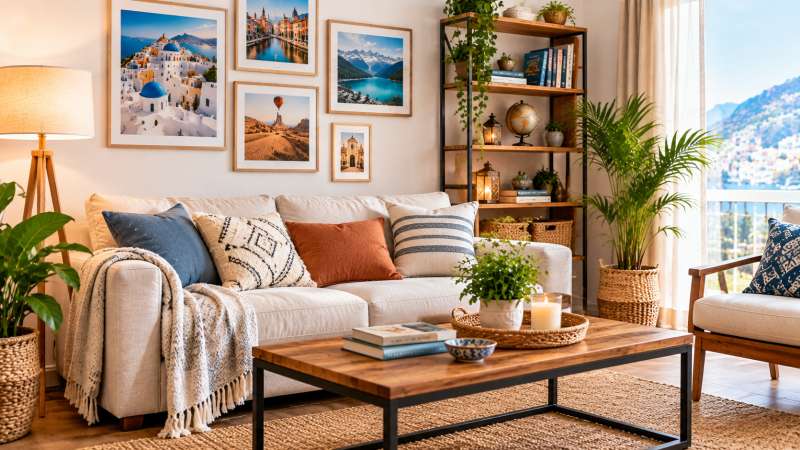
Creating a beautiful home does not always require expensive furniture, major renovations, or professional interior designers. With the right ideas, you can transform an ordinary space into a comfortable, stylish, and welcoming home by making small but meaningful changes.
The thehometrotters blog home ideas approach focuses on practical decorating, affordable improvements, DIY projects, cozy aesthetics, and inspiration from homes around the world. This approach allows you to create an interior that feels personal rather than simply copying a showroom design.
Whether you want to refresh one room, improve your organization, introduce travel-inspired decor, or complete a larger home improvement project, you can start with a realistic plan and budget. In addition, you can combine modern styling with natural textures, warm lighting, personal collections, and carefully selected decorative pieces.
This complete guide explains how to improve your home step by step while keeping comfort, personality, functionality, and budget in mind.
What Makes TheHometrotters Home Ideas Different?
Home decoration should reflect the people who live in the space. Instead of purchasing every item from the same collection, you can combine different textures, colors, materials, and memories to create a more personal environment.
The thehometrotters blog home ideas concept emphasizes rooms that look collected over time. A handmade object can sit beside modern furniture, while a travel photograph can complement a neutral wall.
This approach creates character without making the room feel overly designed.
The main principles include:
- Comfortable and functional furniture
- Warm and layered lighting
- Natural materials and textures
- Smart organization
- Affordable decorative upgrades
- Travel-inspired accessories
- DIY projects
- Personal photographs and artwork
- Practical improvements based on your budget
You do not need to apply every idea at once. Instead, choose the improvements that make the biggest difference in your home.
Start With Warm Lighting
Lighting can completely change how a room looks and feels. A room with attractive furniture may still feel uncomfortable if it relies entirely on harsh overhead lighting.
Instead, create several layers of light.
Use ceiling fixtures for general illumination, table lamps for smaller areas, floor lamps for corners, and accent lighting to highlight artwork or architectural features.
Warm-colored lighting works particularly well in living rooms and bedrooms because it creates a relaxed atmosphere.
Simple Lighting Improvements
You can improve your lighting without rewiring your entire home.
Try these ideas:
- Replace harsh bulbs with warm-toned alternatives.
- Add a floor lamp beside a sofa.
- Place a table lamp on a console or side table.
- Install under-cabinet lighting in the kitchen.
- Use decorative lamps in reading corners.
- Add appropriate outdoor lighting around entrances and patios.
Additionally, maximize natural light whenever possible. Keep windows clean and avoid blocking them with unnecessarily heavy furniture.
Add Natural Textures
Natural textures bring depth and warmth into an interior. Wood, cotton, linen, rattan, jute, bamboo, stone, and woven materials can make a room feel more inviting.
You do not need to replace your existing furniture to introduce these materials.
For example, place a woven basket beside a sofa, add a wooden tray to a coffee table, or use linen cushions on an existing couch.
You can also combine several textures within the same room. A soft rug can contrast with a wooden table, while woven storage baskets can complement smooth furniture.
This combination creates visual interest without requiring complicated decoration.
Improve Your Home With Smart Organization
Organization plays an important role in home design. Even attractive furniture can lose its impact when clutter covers every surface.
Start by identifying items that you rarely use. Donate, recycle, sell, or store anything that does not need to remain visible.
Then organize the things you use regularly.
Use baskets, drawers, cabinets, shelves, storage boxes, and multifunctional furniture to control clutter.
For example, a storage ottoman can provide seating while hiding blankets and other items. Similarly, decorative baskets can organize toys, magazines, accessories, or household supplies.
A clean and organized room usually feels larger and calmer.
Choose Affordable Decor
You can create an attractive home without spending a fortune. In fact, many of the most effective improvements cost very little.
Rearranging furniture costs nothing but can completely change the flow of a room. Adding plants, changing cushions, moving artwork, and organizing shelves can also create noticeable improvements.
When shopping, avoid buying items simply because they look attractive individually. Instead, consider whether each piece works with your existing furniture and color palette.
This strategy helps you avoid unnecessary purchases while creating a more cohesive interior.
Home Improvement Ideas by Budget
A realistic budget makes home improvement easier to manage. Instead of trying to complete everything simultaneously, divide projects according to their expected cost.
| Budget Range | What You Can Realistically Do |
|---|---|
| Under $50 | Rearrange furniture, add plants, organize cabinets, buy new throw pillows |
| $50–$200 | Add new lighting, replace cabinet hardware, install blackout curtains, swap a bathroom mirror |
| $200–$500 | Add an area rug, replace a faucet, install under-cabinet lighting, paint one room |
| $500–$1,500 | Refresh multiple rooms, upgrade fixtures, improve outdoor areas, add storage solutions |
| $1,500+ | Consider larger renovations, flooring updates, or partial kitchen and bathroom remodels |
These ranges provide a starting point rather than a fixed rule. Prices vary according to location, materials, labor, and project complexity.
Before beginning a project, compare costs and set aside a small amount for unexpected expenses.
Travel-Inspired Home Decor
Travel provides endless inspiration for interior design. Different regions use distinctive colors, materials, patterns, and architectural details that you can adapt to your own home.
The travel-inspired approach behind thehometrotters blog home ideas creates interiors that feel collected over time rather than purchased all at once.
You can introduce these influences through small accessories instead of completely redesigning a room.
| Travel Influence | Key Elements | Where to Use |
|---|---|---|
| Mediterranean | Whitewashed colors, blue accents, terracotta, linen, natural stone | Living room, patio, bathroom |
| Moroccan | Geometric rugs, brass lanterns, mosaic details, colorful cushions, carved wood | Bedroom, entryway, living room |
| Scandinavian | Light wood, white walls, functional furniture, minimal accessories, cozy textiles | Bedroom, office, kitchen |
| Japanese/Japandi | Clean lines, natural materials, low furniture, negative space, imperfect details | Bedroom, living room, bathroom |
| Bohemian | Layered textiles, macramé, mixed patterns, floor cushions, gallery walls | Living room, bedroom, reading nook |
| Coastal | Blue-and-white colors, driftwood, seagrass, rope, shell accents | Bathroom, guest room, patio |
Mediterranean Inspiration
Mediterranean styling emphasizes natural light, relaxed colors, textured materials, and simple decoration.
Introduce terracotta pots, linen curtains, natural stone accessories, blue accents, and wooden furniture.
You can also use plants to create a fresh connection with outdoor Mediterranean spaces.
Moroccan Inspiration
Moroccan decor can add bold patterns and rich textures. Geometric rugs, brass lanterns, colorful cushions, carved furniture, and decorative tiles can create a dramatic accent.
However, you do not need to use all of these elements. One patterned rug or a few textured cushions may provide enough visual interest.
Scandinavian Inspiration
Scandinavian design focuses on simplicity, function, natural materials, and comfortable living.
Use light wood, neutral colors, simple furniture, soft blankets, and carefully selected accessories.
This approach works especially well in smaller rooms because it avoids unnecessary visual clutter.
Japanese and Japandi Inspiration
Japandi interiors combine Japanese simplicity with Scandinavian comfort.
Focus on clean lines, natural materials, neutral colors, functional furniture, and open space.
Leave some areas intentionally undecorated. Negative space can make a room feel peaceful and balanced.
Bohemian Inspiration
Bohemian interiors allow more freedom with patterns, textures, colors, plants, and handmade accessories.
Layer rugs, cushions, blankets, artwork, and plants to create a relaxed atmosphere.
Keep a consistent color connection between different pieces so the room remains visually balanced.
Coastal Inspiration
Coastal decorating works well in bathrooms, guest rooms, patios, and relaxed living spaces.
Blue and white colors, natural fibers, light wood, woven baskets, and subtle nautical details can create a fresh atmosphere.
Avoid using too many themed accessories. A sophisticated coastal room usually relies more on colors and materials than obvious decorations.
DIY Home Decor Projects
DIY projects allow you to personalize your home while controlling costs. You can transform inexpensive materials into useful and attractive decorations.
DIY projects also give you an opportunity to reuse furniture and materials instead of replacing everything.
| Project | Time | Cost | Impact |
|---|---|---|---|
| Handmade wall art | 1–2 hours | $10–$25 | Adds color and personality |
| Painted plant pots | 30 minutes per pot | $5–$10 | Adds coordinated color |
| Upcycled furniture | 2–4 hours | $15–$40 | Can transform an old statement piece |
| Gallery wall | 1–2 hours | $20–$50 | Creates a personal focal point |
| Decorative tray styling | 15 minutes | $15–$30 | Quickly organizes a surface |
| Seasonal wreath | 1 hour | $10–$25 | Refreshes the entryway |
Create Handmade Wall Art
You can create simple artwork using canvas, paint, and geometric shapes.
Choose colors that already appear in your room. This helps the artwork connect naturally with the rest of your interior.
You do not need advanced artistic skills. Simple abstract shapes, lines, blocks of color, or textured designs can create an attractive result.
Paint Plant Pots
Plain terracotta pots provide an inexpensive foundation for a DIY project.
Clean the pots, allow them to dry, and use suitable exterior or craft paint to create patterns or solid colors.
Coordinate the pots with cushions, rugs, artwork, or other room accents.
Upcycle Old Furniture
Old furniture can often receive a second life with sanding, cleaning, painting, and new hardware.
A dated side table, cabinet, or small dresser can become a statement piece.
Before painting, prepare the surface properly and choose products appropriate for the material.
Create a Gallery Wall
A gallery wall can display family photographs, travel memories, artwork, postcards, and small decorative objects.
Before putting holes in the wall, arrange the pieces on the floor. Experiment with different layouts until you find a balanced composition.
Then transfer the arrangement to the wall.
Budget-Friendly Decor by Price
Different budgets allow different levels of improvement. However, you can make useful changes at almost any price point.
| Budget | Best Moves |
|---|---|
| $0 | Rearrange furniture, declutter surfaces, move artwork, clean and organize |
| $25–$50 | Add throw pillows, refresh caulk, install simple LED lighting, paint plant pots |
| $50–$150 | Replace cabinet hardware, add a framed bathroom mirror, upgrade towels, purchase an area rug |
| $150–$500 | Paint one or two rooms, install blackout curtains, upgrade bedding, replace light fixtures |
| $500+ | Purchase statement furniture, create a framed gallery wall, add smart-home improvements |
The important point is to prioritize changes that solve a real problem or noticeably improve the room.
Refresh Your Living Room
The living room often serves as the social center of a home, so comfort should remain a priority.
Start with the furniture arrangement. Make sure people can move around the room easily and that seating encourages conversation.
Then introduce layers of texture through rugs, cushions, blankets, curtains, baskets, and natural materials.
Add one or two focal points, such as a large artwork, travel photograph, fireplace, statement lamp, or distinctive coffee table.
Avoid filling every available surface with decorations.
Create a Relaxing Bedroom
The bedroom should provide a peaceful environment for rest.
Choose comfortable bedding, warm lighting, soft curtains, and calming colors. Natural fabrics can also improve the visual and tactile quality of the room.
Use bedside tables to keep essential items organized. Avoid allowing chargers, papers, clothing, and miscellaneous objects to accumulate on visible surfaces.
A few meaningful photographs or decorative objects can personalize the room without creating visual clutter.
Improve the Kitchen
Small kitchen improvements can make a significant difference.
Replace outdated cabinet handles, add under-cabinet lighting, organize drawers, and display attractive kitchenware where appropriate.
Wooden cutting boards, ceramic containers, woven baskets, and indoor herbs can introduce natural texture.
If your budget allows, consider replacing a faucet or updating a small section of the kitchen rather than immediately planning a complete renovation.
Style Your Entryway
Your entryway creates the first impression of your home.
Keep the area practical by providing a place for keys, shoes, bags, and everyday items. A console table, storage basket, wall hooks, or bench can help.
Then add decorative elements such as a mirror, artwork, plant, or small tray.
A well-organized entryway can make the entire home feel more welcoming.
Use Plants as Living Decor
Plants add natural color and texture while making rooms feel more lively.
Choose plants according to the light and environmental conditions available in each space.
Use attractive pots and baskets that complement your interior style.
Place larger plants in empty corners, smaller plants on shelves, and suitable varieties on desks or side tables.
If you travel frequently or have limited time for plant care, select varieties that match your available maintenance routine.
Make Your Home Tell a Story
The most memorable interiors often contain personal stories.
Display photographs from important journeys, objects received as gifts, handmade items, books connected to your interests, or artwork that has personal meaning.
However, curate these items rather than displaying everything you own.
Choose pieces that contribute to the atmosphere and arrange them thoughtfully.
This strategy gives your home character while keeping it organized.
Common Home Decorating Mistakes
Avoiding common mistakes can save money and improve your results.
Buying Too Much at Once
Purchasing numerous decorations at the same time can create a mismatched interior. Instead, buy gradually.
Ignoring Scale
A tiny piece of artwork may disappear on a large wall, while oversized furniture can overwhelm a small room.
Using Too Many Colors
Choose a manageable color palette and repeat selected shades throughout the space.
Prioritizing Appearance Over Comfort
Your home should support your lifestyle. Comfortable furniture and practical storage matter as much as appearance.
Creating Too Much Clutter
Leave breathing room around furniture and decorations. Empty space can make important pieces stand out.
How to Plan a Home Refresh
Before starting, walk through your home and identify what bothers you most.
Maybe your living room lacks lighting. Perhaps your bedroom needs better storage. Your kitchen might need updated hardware, or your entryway may feel disorganized.
Write down the problems and prioritize them.
Then divide projects into three categories:
- Free improvements
- Low-cost improvements
- Larger investments
Complete the free and inexpensive changes first. They may solve some problems without requiring a major investment.
Final Thoughts
A beautiful home develops through thoughtful decisions rather than expensive purchases. You can improve your surroundings by combining warm lighting, natural textures, smart organization, affordable accessories, personal collections, and practical upgrades.
The thehometrotters blog home ideas philosophy provides a flexible way to approach decorating. Instead of copying a single design trend, you can combine influences from Mediterranean, Moroccan, Scandinavian, Japanese, Bohemian, and coastal interiors.
DIY projects can further personalize your rooms while helping you control costs. Meanwhile, a realistic budget allows you to decide which improvements deserve immediate attention and which projects can wait.
Most importantly, create a home that works for your lifestyle. Choose comfortable furniture, meaningful decorations, practical storage, and colors that make you feel comfortable.
With patience and creativity, even small changes can produce a noticeable transformation. Start with one room, establish a clear goal, and gradually build an interior that feels warm, organized, personal, and welcoming.
Frequently Asked Questions
What are the best affordable home decorating ideas?
Rearranging furniture, decluttering, adding plants, changing cushions, moving artwork, organizing storage, and improving lighting can create noticeable changes without a large budget.
How can I make my home feel cozier?
Use warm lighting, soft fabrics, comfortable furniture, rugs, natural textures, plants, and personal decorative objects to create a more inviting environment.
How can travel inspire home decor?
Travel can inspire colors, patterns, textiles, artwork, photographs, furniture styles, and decorative objects. You can use small accents instead of completely redesigning a room.
What DIY project makes the biggest visual difference?
Upcycling furniture and creating a gallery wall can make a strong impact because both projects can create an obvious focal point.
How should I decorate a home on a small budget?
Start with free improvements such as rearranging furniture and decluttering. Then prioritize inexpensive changes such as cushions, plants, lighting, paint, and storage accessories.
Should every room use the same design style?
No. Each room can have its own personality. However, repeating a few colors, materials, or textures can create a sense of connection throughout the home.
For more info visit DecoratedHome